We use law to defend and remedy nature.
Nature is under threat: illegal deforestation, mining and wildlife trade are driving biodiversity loss, fuelling climate change and harming communities globally. Conventional enforcement is failing: small fines do not reflect these harms, do not deter criminals, and do not restore nature.
We act to hold those who harm nature meaningfully responsible for remedying the harm they cause – whether to biodiversity, habitats, climate, animal welfare or human wellbeing.
Our international network brings strategic, precedent-setting cases that require offenders to remedy the harm they cause. This is unlocking the potential of existing laws to defend and remedy nature.
Pongo the Stolen Orangutan: How Law Can Heal tells the story of an illegally traded orangutan and how conservation litigation can help biodiversity.
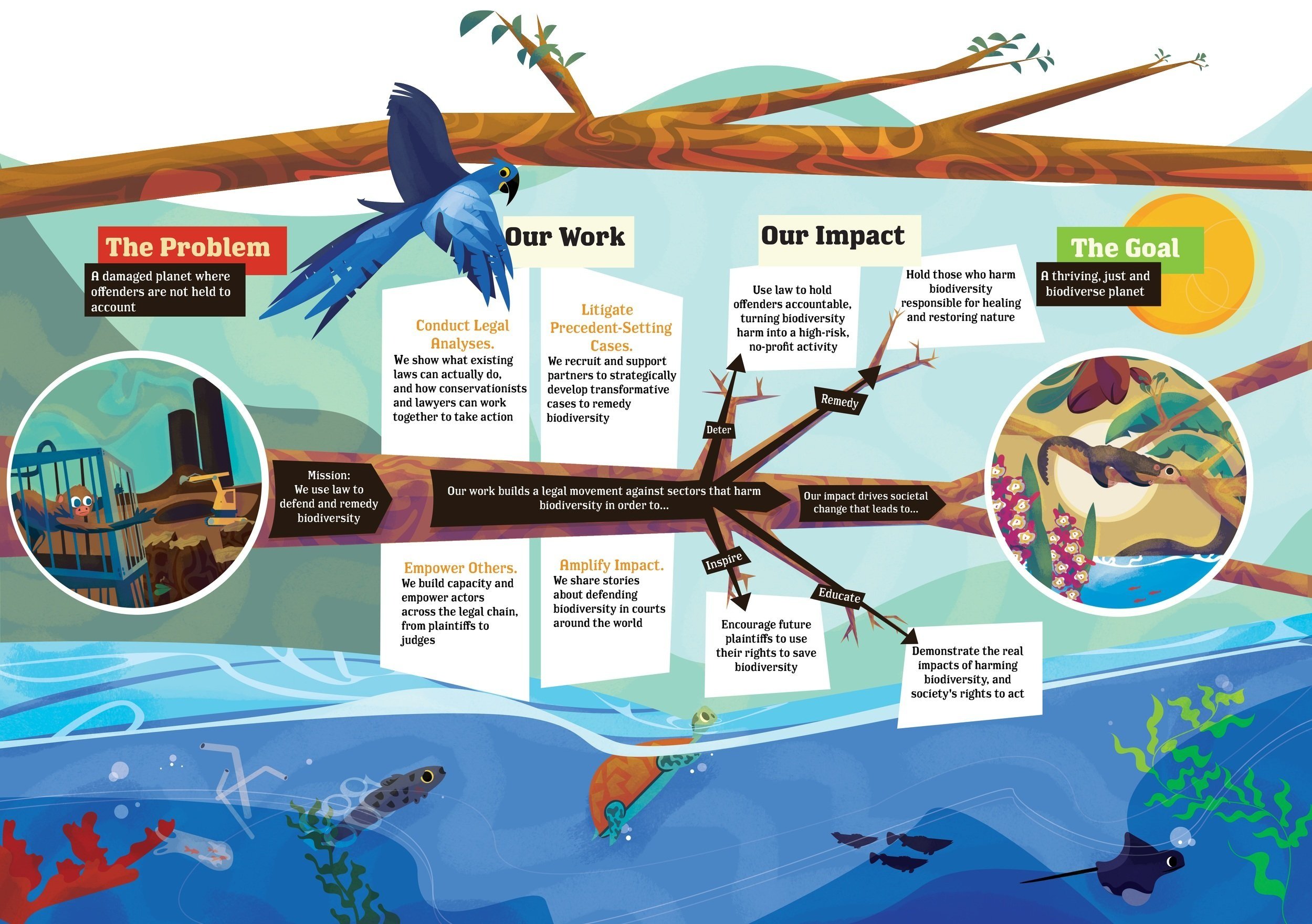
Our model drives impact
Our model is strategic, ambitious and proven to drive impact. It is based on long-term collaborations with public interest lawyers in high-biodiversity countries – jurisdictions where the harm is often greatest, access to justice is urgent, and legal costs are highly affordable.
Together, we conduct legal analyses to understand what is possible. The necessary laws often exist on paper, but are rarely implemented. We empower others to seize these opportunities, and support them to litigate precedent-setting cases, which we share to amplify impact.
Our impact drives change
Each case is unique and yields important impacts in its own right – serving to remedy nature and deter offenders. Together, these cases also have a strong collective impact: This green wave of litigation is mainstreaming the principle that if you harm nature you will be held accountable for remedying it.
We are building the capacity, resources and cases needed to inspire others to act, and educate society about the urgency and possibility of securing remedies. Case-by-case, we are approaching a tipping point where greater accountability drives societal change, and a thriving, just and biodiversity planet becomes inevitable.

On a tiny island in the eastern Philippines, a mining company has illegally bulldozed forests and started extracting nickel – part of the rapidly expanding search for critical minerals that is devastating landscapes across Southeast Asia.
The strip mine sits immediately above a small impoverished community, has polluted pristine coral reefs, and eliminated habitat of the endangered species including the Philippine Cockatoo and Philippine Tarsier.
Challenging illegal mineral mining in the Philippines

Grizelda Mayo-Anda is one of the Philippines best-known environmental lawyers.
Her team is working with the local community and Conservation-Litigation.org to bring pioneering litigation: We will hold this mining company accountable, seeking remedies to restore unique forest habitat and its ecosystem services, protect endangered species and compensate the community.
Our legal analysis launched in 2025 with the UK Embassy in Manila identifies how we can use existing laws to hold offenders liable for the harm they cause, and to remedy nature.
Empowering Filipino law students, civil society and government lawyers to use this meaningful approach, through a new UK-funded project starting in 2026.
Putting this into practice through this precedent-setting case against the mining sector, and working with the Government to identify test cases that they can lead with our support.
We will amplify impact of these cases to show others how existing laws can be effectively put into action.

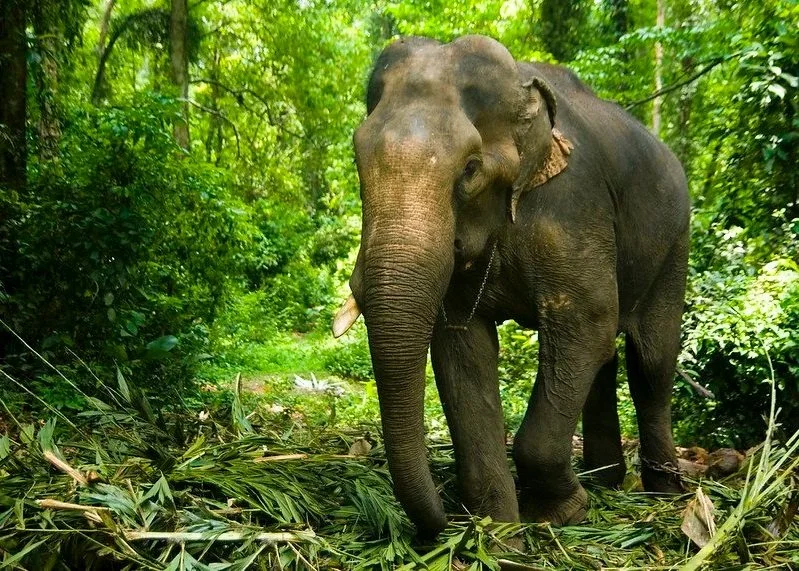
India is home to some of the world’s most iconic species – including the Indian elephant. Although revered in Hinduism, the species still faces relentless poaching for their ivory. Organised criminal groups are rapidly endangering the survival of this species.
Tackling criminal elephant poachers in India
The Wildlife Trust of India is one of the country’s most respected conservation organisations. They have made huge strides in protecting India’s biodiversity from illegal poaching and trade, but recognise the need for new legal responses.
As part of the Conservation-Litigation.org network, they are pioneering strategies that hold elephant poachers accountable for the harm they cause – looking beyond fines and prison sentences to secure remedies for nature.
A new legal analysis has revealed a little-known provision in India’s criminal law with untapped opportunities to hold wildlife criminals liable and secure remedies for nature.
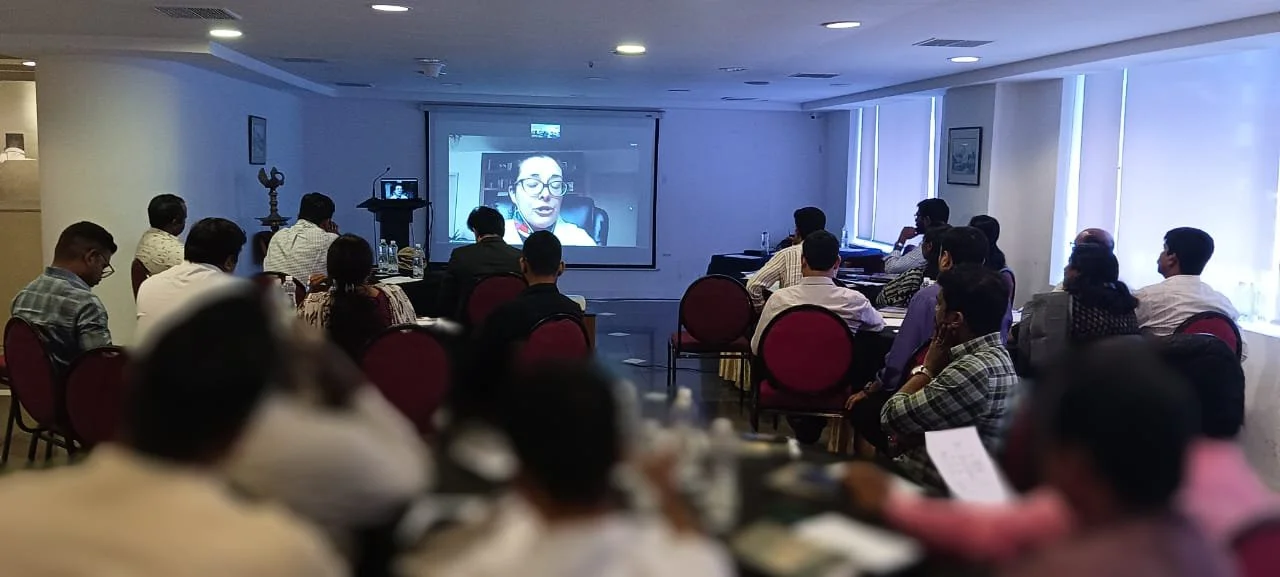
Empowering judges and prosecutors across three Indian States to understand this overlooked provision, and how they can put it into practice.
Supporting prosecutors with science and legal analysis to use this provision in a precedent-setting case against an elephant poaching ring.
Amplify impact across Indian and global media to raise awareness, and take action to make this provision a standard part of legal practice across India.